Gun Range Etiquette: Rules Every Shooter Should Know
Good behavior at the range comes down to a few habits you repeat every single time. Always treat every firearm as if it is loaded, keep the muzzle pointed downrange, and keep your finger off the trigger until your sights are on the target. When you understand gun range etiquette, you keep the muzzle and your hands where they belong, you listen for the commands "cease fire" and "the range is hot," and you respect the people shooting in the lanes beside you. Never handle a firearm while someone is downrange. Gunsmith, clean up your brass and trash, keep your gear inside your own lane, and ask before touching anyone else's equipment. If you are new, tell the staff. They would rather give you a quick rundown than watch you guess. These same habits apply at any indoor or outdoor range, whether you visit once a year or shoot every week.
Why Do These Unwritten Rules Matter So Much?
The unwritten rules exist because a range is one of the few places where a small mistake can have a permanent cost. Most of the etiquette you see is really safe, wearing a friendly face. When you follow the unwritten code, you are protecting yourself, the shooter next to you, and the staff who keep the place running.
Here are the core habits that experienced shooters never skip:
- Treat every gun as loaded, even one you just checked.
- Keep the muzzle pointed in a safe direction at all times, which on most ranges means downrange.
- Finger stays straight along the frame until you are ready to fire.
- Know your target and what is beyond it.
- Eye and ear protection goes on before you step onto the firing line and stays on until you step off.
These are not suggestions you pick and choose from. They stack on top of each other, so even if one fails, the others keep everyone safe. A shooter who points a muzzle in a safe direction and keeps their finger off the trigger has two layers of protection working at the same time. That redundancy is the whole point. The rules are designed so that no single lapse, like a startled flinch or a gun that fires when you did not expect it, can hurt anyone. Pilots and surgeons use the same idea: build the routine so a single error never becomes a disaster.
The social side matters too. People relax and shoot better when the person next to them looks calm and deliberate. Slow, predictable movements signal that you know what you are doing, and that puts the whole line at ease.
The opposite is also true. A shooter who waves a loaded pistol around while talking, or who fumbles with the muzzle pointing in odd directions, makes everyone nearby tense and distracted. Tension on a firing line is the enemy of good shooting and good judgment. You do your neighbors a favor simply by being steady and unhurried.
There is a practical payoff for you, too. Ranges remember regulars who handle themselves well. The staff trust you faster, give you a longer leash, and are more willing to answer the deeper questions about loads, drills, and gear when they can see you respect the basics.
What Do Range Commands Mean?
Range commands are short phrases the range officer uses to control what everyone on the line is doing, and you respond to them instantly without arguing. The two you will hear most are ceasefire, and the range is hot or commence fire.
When you hear a ceasefire, you stop shooting right away. Take your finger off the trigger, keep the muzzle pointed downrange, and wait for the next instruction. A cease fire can be called for any reason: someone needs to step forward, a target stand fell over, or a piece of equipment needs attention. You do not need to know why. You just stop.
The range is hot or commences fire means shooting is allowed again. You can load, aim, and fire. On some ranges the officer will also say make ready, which is your cue to load and prepare, but not necessarily fire yet.
At an indoor range, lanes often run continuously, so you may not hear a formal cease fire very often. The staff still use clear verbal cues and hand signals when they need the line to pause. If you ever hear someone shout cease fire, treat it as law no matter who said it. Anyone on the line can call a cease fire if they see something unsafe, and everyone is expected to obey.
A few other terms worth knowing:
- Downrange: the area in front of the firing line where targets sit.
- The line of firing: where shooters stand to shoot.
- Hot and cold: a hot range allows shooting, a cold range does not.
- Make safe: unload your firearm, remove the magazine, and show that it is empty.
You do not have to memorize a glossary before you go. The staff at any well-run range will explain their specific commands during a quick briefing. It helps to know the rhythm, though.
On an outdoor range that runs in relays, you will often hear a full sequence: the officer calls a cease fire, confirms every gun is empty and benched, then sends people downrange to change targets. Nobody touches a firearm while shooters are forward, period. Once everyone returns behind the line, the officer announces the range is hot and shooting resumes. Knowing that pattern ahead of time means you will not be the person reaching for a magazine at the wrong moment.
Muzzle and Trigger Discipline Basics
Muzzle discipline and trigger discipline are the two habits that prevent almost every serious range accident, so they deserve their own attention. Muzzle discipline means you always know where the front of your gun is pointing, and you keep it pointed somewhere safe. Trigger discipline means your finger stays off the trigger until you have decided to fire.
Think of the muzzle as a laser that never turns off. Wherever it points, that is where a round would go. So you keep it pointed downrange, never sweeping it across your own hand, the lane divider, the ceiling, or your neighbor. This sounds obvious until you reach for a magazine or turn to grab your water bottle. The trick is to move slowly and stay aware of which way the barrel is facing during every single motion, including loading, clearing a jam, and setting the gun down.
Trigger discipline is just as simple and just as easy to forget. The correct resting place for your trigger finger is straight along the frame of the firearm, above the trigger guard. You bring your finger to the trigger only when your sights are on the target and you intend to shoot. The moment you finish, your finger comes back to the frame. This habit alone prevents the kind of accidental discharge that happens when a shooter is startled, stumbles, or gets excited.
When you set a firearm down, point it downrange, keep your finger clear, and leave the action open if your range asks for it. When you pick one up, check the chamber and keep that muzzle pointed in a safe direction the entire time.
A few real-world moments trip people up more than the act of shooting itself. Clearing a malfunction is the big one. When a gun jams, the natural urge is to turn it toward yourself to see what went wrong. Resist that urge. Keep the muzzle downrange, tilt the gun so you can see the ejection port without breaking that direction, and work the problem from there.
If you are unsure, set the gun down pointed downrange and wave a staff member over. Drawing from a holster is another pinch point, which is why many indoor ranges require a class before they allow it. Reholstering slowly, with your finger well clear of the trigger, prevents the worst kind of self-inflicted accident. None of this requires special talent. It just requires you to slow down and treat each handling step as deliberate rather than automatic.
How Do You Stay Courteous in a Shared Range?
Being a good lane neighbor means keeping your gear, your brass, and your behavior inside your own space so the people around you can shoot in peace. A shared range works best when everyone acts like a guest in a quiet library that happens to be loud.
Start with your footprint. Keep your firearms, magazines, ammo, and bags inside your own lane or at your station. Do not let your stuff creep into the lane beside you, and do not reach into someone else's space to grab a target or pick up brass. If your brass flies into a neighbor's lane, wait for a safe moment and ask before retrieving it, or just let it go and grab it later.
Solid range rules around courtesy usually include a few simple things:
- Do not touch another person's firearm without permission, even to admire it.
- Keep conversations short and quiet while people are shooting.
- Do not offer unsolicited coaching to strangers. If you see something genuinely unsafe, tell the staff.
- Clean up your spent brass and target scraps before you leave.
- Be patient if the range is busy and you have to wait for a lane.
Phones deserve a special mention. Keep calls off the firing line, and never photograph other shooters without asking. People value their privacy at the range, and a camera pointed at a stranger makes everyone tense.
Timing matters as much as space. If the range is packed and a line has formed, be mindful of how long you camp in a lane. Shooting a few hundred rounds slowly while others wait is its own kind of rudeness. Likewise, if you booked a block of time and finished early, give the staff a heads-up so the next person can get on the line. Tipping the rules toward the busy crowd, rather than your own convenience, is what separates a welcome regular from someone the staff quietly dread seeing.
If you bring a friend who is new, keep an eye on them and walk them through the basics before they step up. Good shooting range manners are contagious. When one person on the line is calm and respectful, the rest of the line tends to follow.
How Does Staff Help Newcomers?
Range staff exists to keep you safe and help you have a good time, and helping first-timers is one of the biggest parts of their job. If you have never shot before or you are rusty, the smartest thing you can do is say so at the front counter. Nobody is going to judge you. They would much rather spend two minutes explaining their range rules than deal with a preventable mistake.
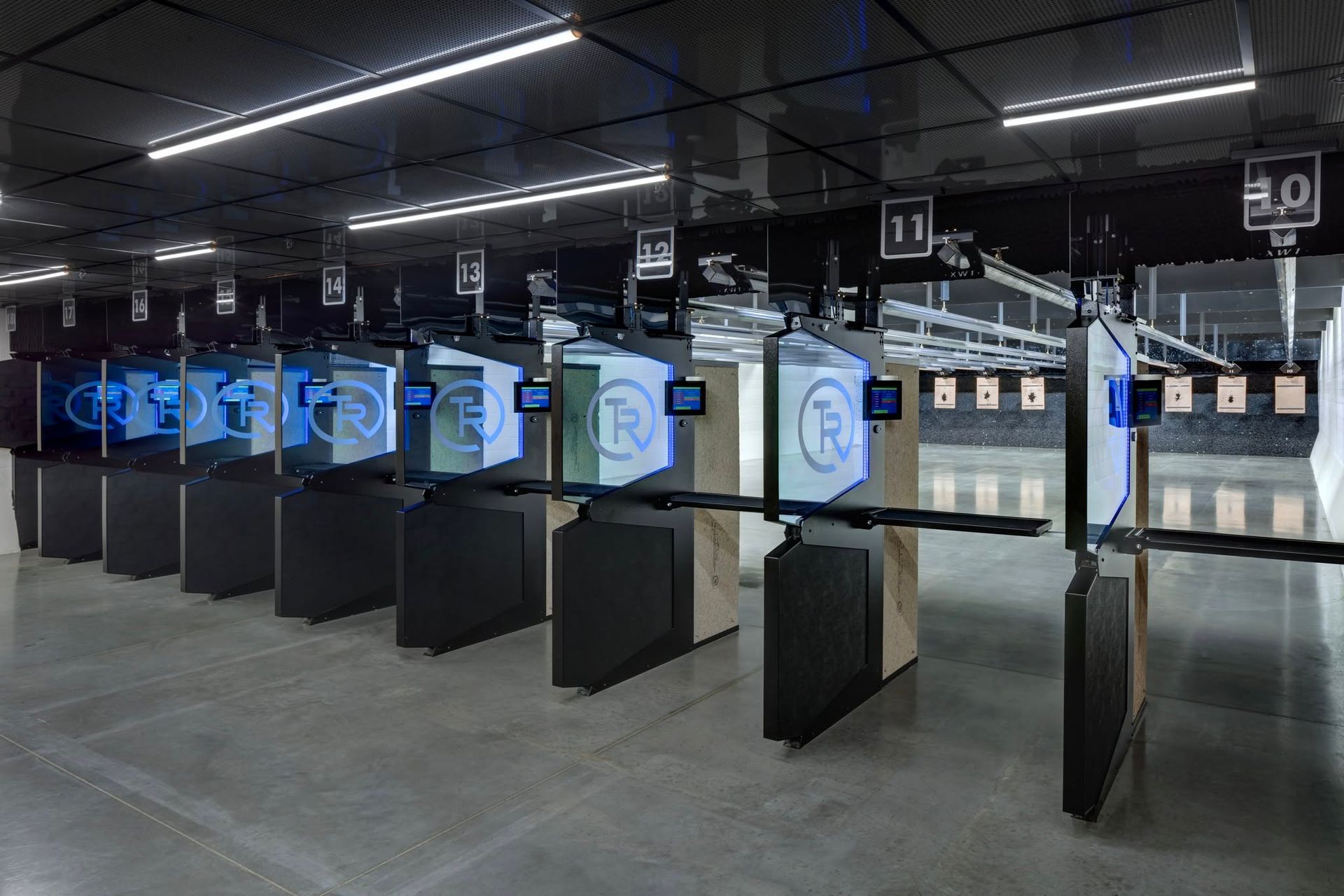
When you check in, the staff will usually walk you through their specific procedures: how the lanes work, how to run the target carrier, where to point your muzzle, and what to do if your gun jams. At an indoor range like the ones serving the McKinney and Allen area, the layout is controlled and well lit, which makes it an easy place to build confidence. The staff watch the lanes and step in quickly if they notice anyone drifting from safe handling.
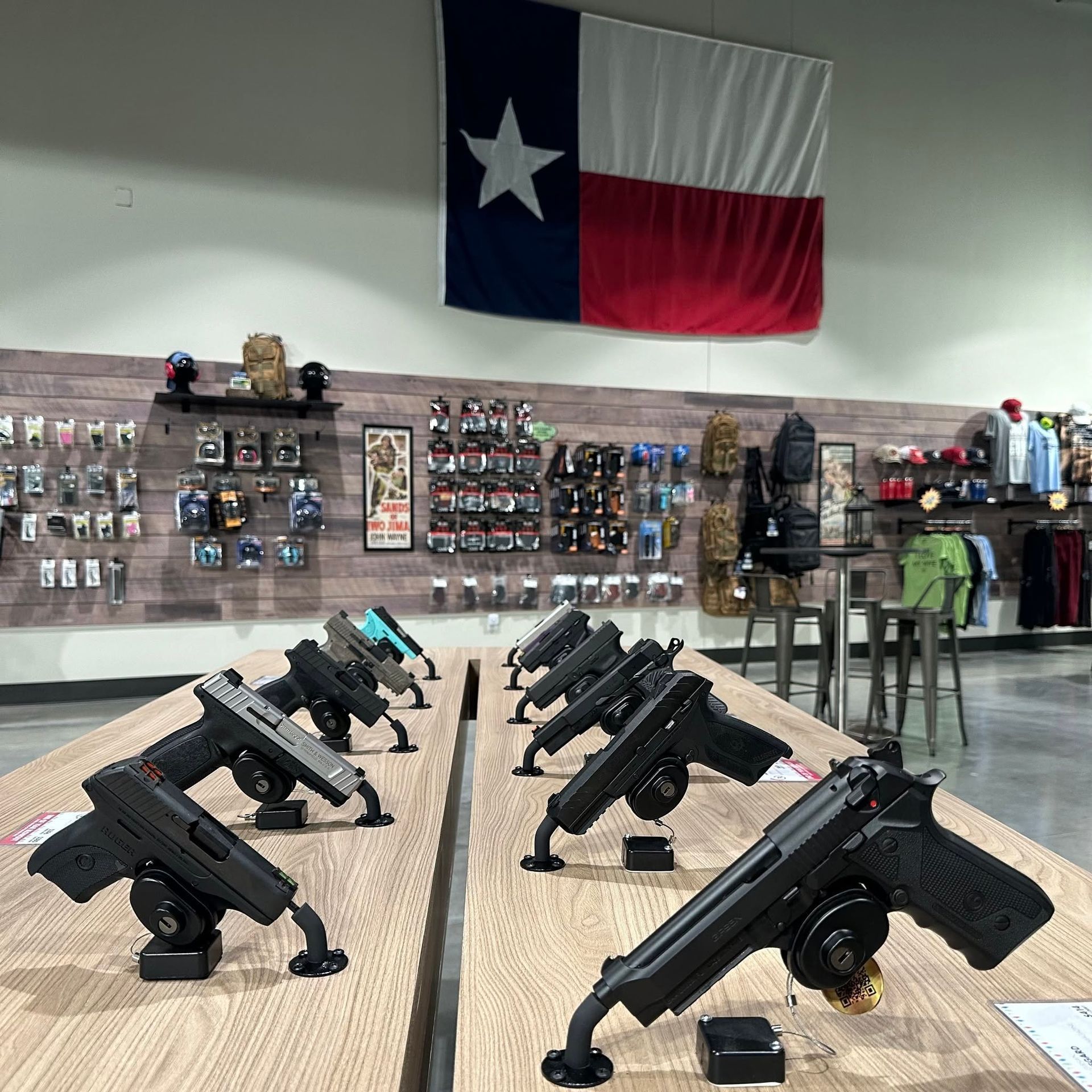
If you do not own a gun yet, most ranges rent firearms and sell ammunition and eye and ear protection on site, so you can show up with nothing and still shoot. Ask the counter what calibers they recommend for a beginner. A lighter recoiling pistol or rimfire is usually a friendlier starting point than something with heavy recoil. A .22 caliber pistol, for instance, has almost no kick and lets you focus on the fundamentals without flinching, while a 9mm is a common next step once you are comfortable. Skip the big magnum revolvers and hard-hitting calibers on your first visit. Pain and noise teach bad habits, and a sore hand will end your session early.
Staff can also point you toward training classes if you want to go beyond the basics. Structured instruction is the fastest way to fix bad habits before they set in, and a good instructor will cover range safety, stance, grip, and how to line up your sights in a single session. A typical first lesson runs one to two hours and costs anywhere from forty to a hundred dollars, depending on the range and whether gear is included. That is a small price compared to months of grooving in mistakes on your own.
The bottom line: staff is a resource, not an obstacle. Use them. Ask questions. The most experienced shooters in the building still ask the staff about gear, loads, and range conditions all the time.
A Quick Word Before Your Next Visit
Etiquette at the range is really just respect in action: respect for the firearm, for the people around you, and for the staff keeping everything running. Keep the muzzle safe, keep your finger off the trigger, listen for the commands, and treat your neighbors the way you would want to be treated. Do that every time, and you will be welcome at any range you walk into. When you are ready to put it into practice in a clean, well-run indoor environment, book a lane with us at The Range in McKinney, and we will help you get comfortable and shoot well.
Frequently Asked Questions
What are the most basic gun range rules for beginners?
The basics never change: treat every gun as loaded, keep the muzzle pointed downrange, keep your finger off the trigger until you are ready to fire, and always wear eye and ear protection on the firing line. Tell the staff if you are new so they can walk you through their specific procedures.
What should I do when someone calls a cease fire?
Stop shooting immediately. Take your finger off the trigger, keep the muzzle pointed downrange, and wait for further instructions. Anyone on the line can call a cease fire if they see something unsafe, so you obey it no matter who shouts it.
Is it rude to give shooting advice to a stranger at the range?
Yes, unsolicited coaching is usually unwelcome and can come across as rude. If you notice something genuinely unsafe, tell a staff member instead of correcting the person yourself. Save your tips for friends who actually ask for them.
Can I go to a shooting range if I have never fired a gun before?
Absolutely. Most ranges, including indoor ranges in the McKinney area, welcome first-timers and rent firearms, sell ammo, and provide eye and ear protection. Just let the front counter know you are new, and they will give you a safety briefing and help you get started.
Why do I need to pick up my brass and clean my lane?
Picking up spent brass and target scraps keeps the range safe and tidy for the next shooter and helps the staff do their job. Some ranges collect brass, so ask what they prefer. Either way, leaving your station clean is basic courtesy.
The Range in McKinney
415 Industrial Blvd., McKinney, TX 75069
Tuesday–Saturday 10 a.m.–7 p.m. | Sunday 12 p.m.–6 p.m. | Closed Mondays
· Schedule a lesson · Plan an event