How to Choose Your First Handgun: What Beginners Should Know
The right first handgun is the one that fits your hand, shoots a caliber you can control, and matches your reason for buying it. Those three things matter more than brand names or what a friend swears by. Start by deciding the purpose: home defense, concealed carry, or target practice. Then find a grip that feels natural, because a gun you can hold steady is a gun you can shoot well. Pick a caliber you can handle without flinching, since accuracy beats power every time. The smartest move when choosing your first handgun is to rent a few models and shoot them before you spend a dollar on ownership. That single step saves new shooters from buyer's remorse. Add safe storage and a basic class, and you have a setup that works for years instead of a regret sitting in a drawer.
Why Do So Many First Guns End Up Unused?
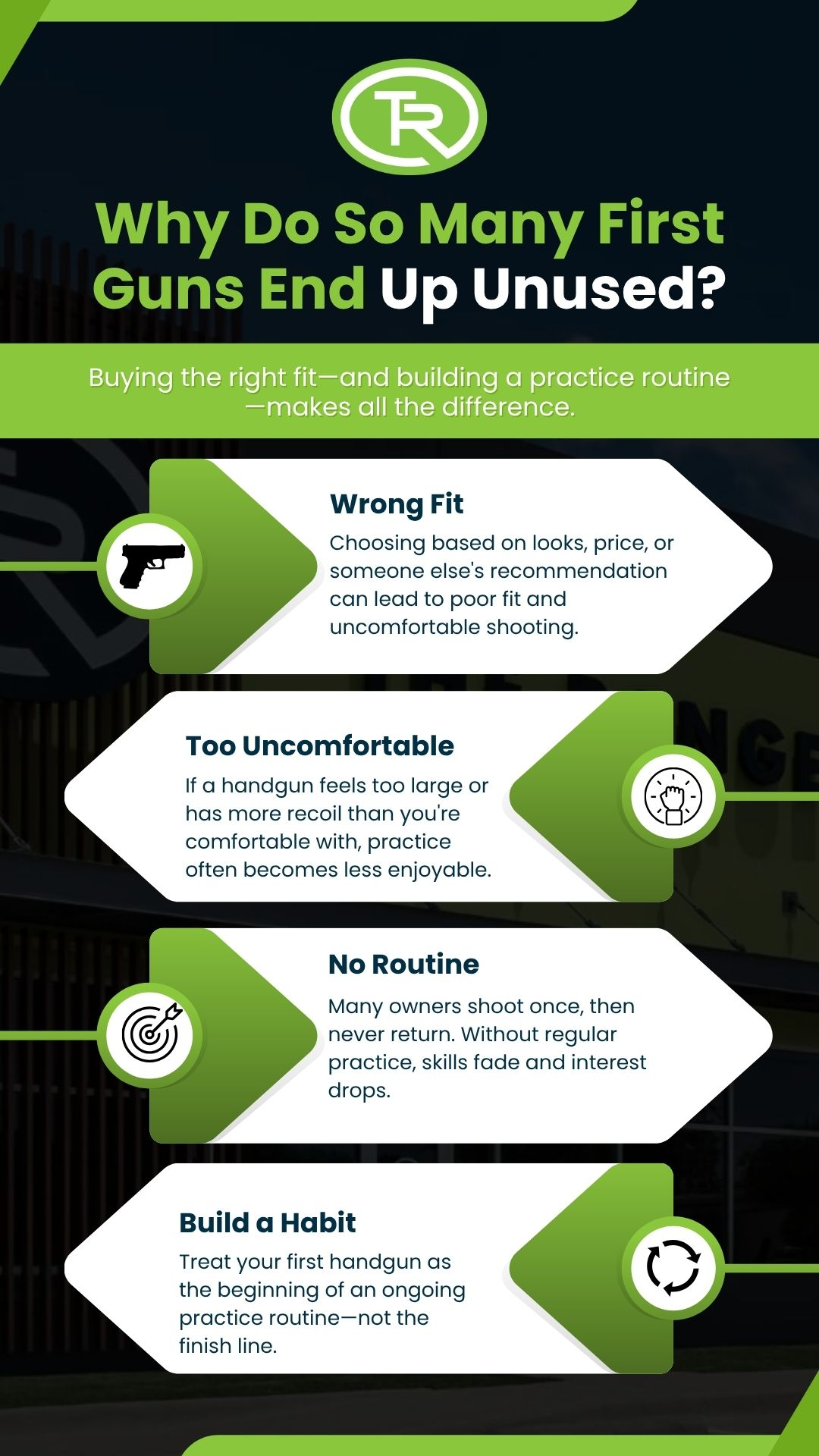
Plenty of first-handguns sit untouched in closets because the buyer picked on looks, price, or a recommendation that did not fit their hand. A gun that kicks too hard or feels too big stops being fun fast. When shooting feels like a chore, practice stops, and a defensive tool you never train with is not much of a tool at all.
The fix is simple. Treat the buying process like trying on shoes. You would not order boots in a size you never tried, and the same logic applies here. There is also a quieter reason guns end up abandoned: the buyer never built a routine around the purchase.
They bought the gun, fired one box of ammo, and never came back. Without a place to shoot regularly and a reason to return, the new handgun becomes a one-time novelty instead of a skill. The shooters who stay engaged are the ones who treated the gun as the start of a habit, not the finish line. Let's walk through the factors that actually matter so your first handgun becomes one you reach for, not one you forget.
What Matters Most for a First Handgun?
The three factors that decide a good first handgun are fit, caliber, and purpose, in that order of practical importance. Get those right, and the brand on the slide barely matters.
Start with purpose. A handgun you keep by the bed for home defense can be larger, because you are not hiding it under a shirt. A full-size pistol holds more rounds, soaks up recoil better, and is easier to shoot well. A gun meant for concealed carry needs to disappear under clothing, so size and weight move up the priority list. A range gun for weekend target shooting can be almost anything you enjoy firing. Knowing the job narrows the field fast.
Then comes fit, which we cover in detail below. After that, caliber. New shooters often think bigger is better, but a round you can control puts more shots on target. A hit with a modest caliber beats a miss with a powerful one.
A few other points round out the picture. Reliability matters, so stick with established makers that gunsmiths and instructors see every day. Brands like Glock, Smith and Wesson, Sig Sauer, Ruger, and Springfield show up on rental walls and in training classes because they run thousands of rounds without drama. Simplicity matters too.
A pistol with fewer levers and a clear manual of arms is easier to operate under stress, which is why striker-fired designs with no external safety lever appeal to many first-time owners. And budget honesty helps. Set aside money for ammo, a case, eye and ear protection, and at least one class, not just the gun itself. A realistic first-year budget often runs a few hundred dollars past the sticker price once you add a holster, a storage solution, and several range trips. Planning for that total up front keeps the purchase from feeling like a bait-and-switch later.
Handgun Calibers Explained Simply
A caliber is just the diameter of the bullet the gun fires, and for a first handgun, you really only need to understand a handful of common ones. Here is the plain-English version.
.22 LR is the smallest common choice. It has almost no recoil, the ammo is cheap, and it is wonderful for building the basics of sight picture and trigger control. Many instructors start brand new shooters on a .22 for exactly that reason. It is light for self-defense, but as a teaching tool, it is hard to beat. A few hundred rounds of .22 will cost you a fraction of the same volume in a defensive caliber, which means more trigger time for your money.
9mm is the most popular handgun caliber in America, and for good reason. It offers a balance of manageable recoil, solid stopping power, affordable practice ammo, and high magazine capacity. For most people picking a first handgun for defense, 9mm is the sensible default. It is the caliber most carry guns and home defense pistols are built around today, which also means the widest selection of models, holsters, and ammo on any shop shelf.
.380 ACP is a bit smaller than 9mm and shows up in compact carry pistols. Recoil in a tiny .380 can actually feel snappy because the guns are so light, so do not assume smaller caliber always means softer shooting. The trade is concealability: a .380 pocket pistol hides easily but punishes you with a sharp little kick and a short sight radius that makes accuracy harder.
.40 S&W and .45 ACP are larger, hit harder, and kick more. Experienced shooters like them, but they can overwhelm a newcomer and slow down follow-up shots. The .45 in particular has a loyal following for its big, slow bullet, yet its recoil and lower capacity make it a tougher starting point than 9mm.
When it comes to handgun caliber for beginners, the honest answer is that 9mm hits the sweet spot for most people, with .22 LR as a fantastic training companion. You can own both over time, but if you buy one defensive gun first, the 9mm rarely disappoints.
Fit and How to Test Grip
A handgun fits your hand when the trigger sits naturally under the pad of your index finger while the barrel lines up with your forearm, and you can reach the controls without shifting your grip. Fit is the factor people skip and regret, so spend real time here.
Here is a quick way to check grip in the shop or on the range:
- Pick up the gun with your dominant hand and settle it high on the back of the grip.
- Look at where your trigger finger lands. The center of the pad, not the joint or the tip, should rest on the trigger face.
- Point the pistol at a target with your eyes closed, then open them. If the sights are roughly on target, the gun points naturally for you.
- Reach for the magazine release and slide stop without breaking your grip. If you cannot, the frame may be too big.
- Rack the slide. Some pistols have stiff springs that make this hard. If racking is a struggle in the store, it will be worse under pressure.
Hand size, finger length, and grip strength all play a role, which is why the same pistol that feels perfect for one person feels clumsy for another. Many modern handguns ship with swappable backstraps so you can adjust the grip circumference. That feature is worth looking for if you are between sizes.
One detail new buyers overlook is slide serration and spring weight. If you have smaller hands or less grip strength, look for pistols marketed with easier-to-rack slides, since being able to chamber a round and clear a malfunction matters as much as how the grip feels. Trying to grip in a store helps, but dry handling only tells half the story. How a gun feels when it actually fires is the part that counts, and that is where renting comes in.
Why Renting to Try First Helps
Renting handguns before you buy is the single best way to avoid an expensive mistake, because how a pistol feels in your hands and how it behaves when it fires are two different things. A gun can feel great and punish you with recoil once it is loaded.
When you rent, you find out things a store counter can never show you. You feel the real recoil. You hear how loud it is. You see whether you can keep the sights on target for a full magazine, or whether your hand starts to ache after ten rounds. You find out whether the controls work for your hand under actual shooting conditions. New shooters routinely walk in, certain they want one model, and walk out preferring something completely different after firing a few options side by side.
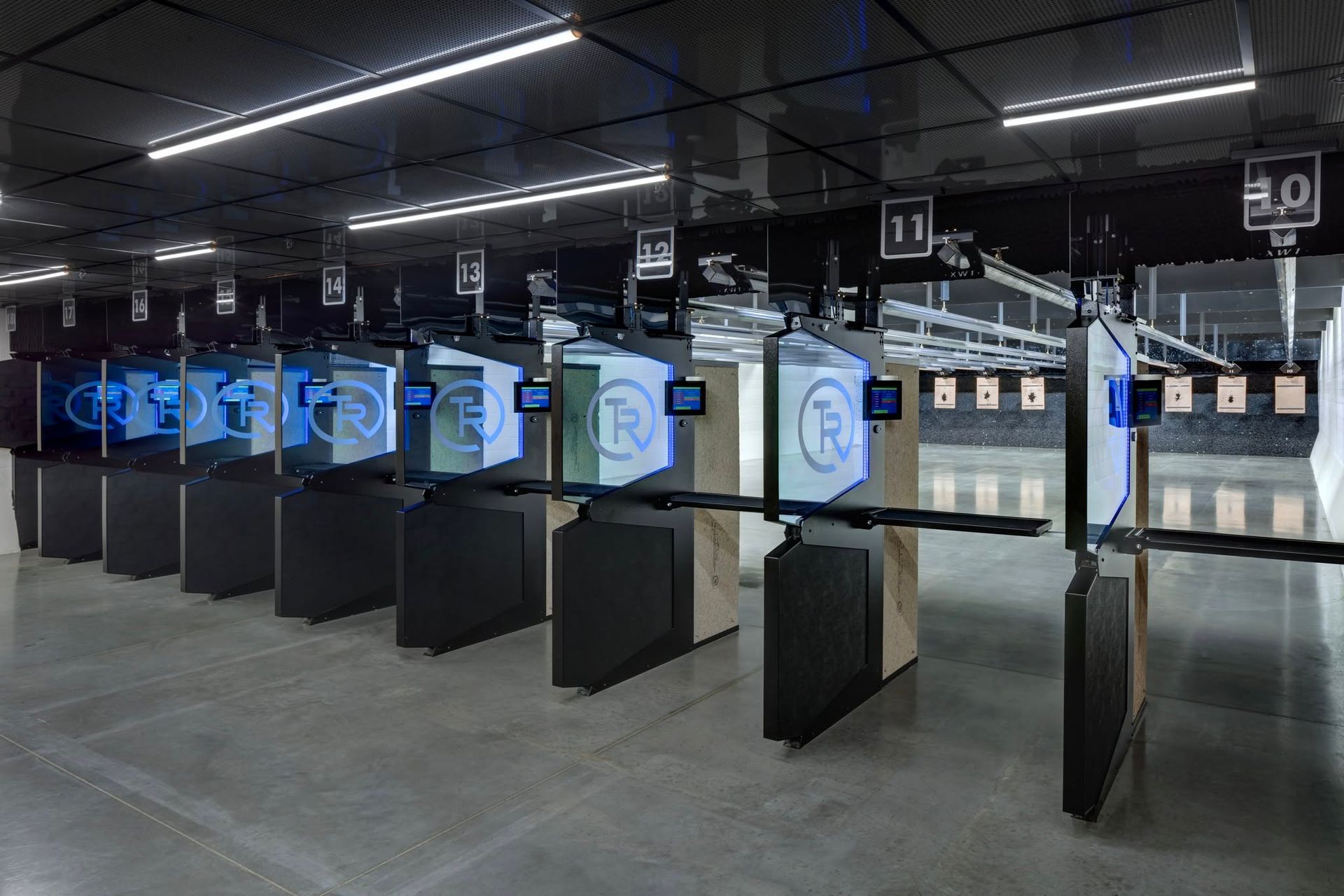
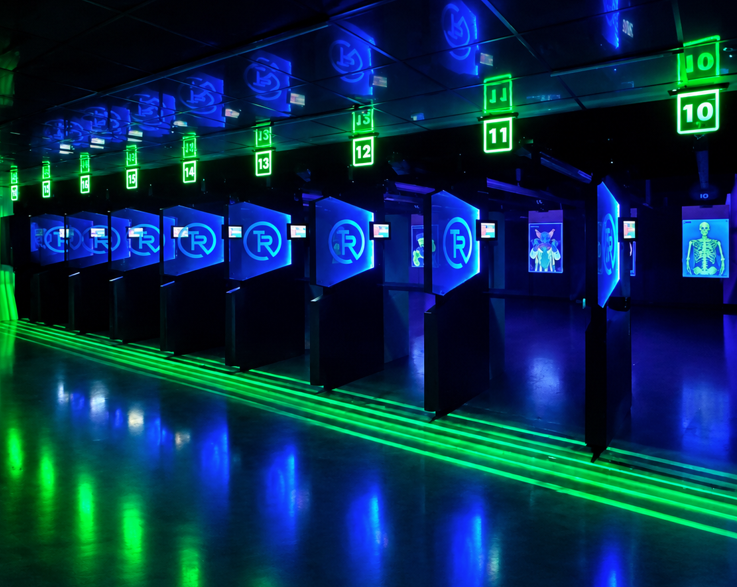
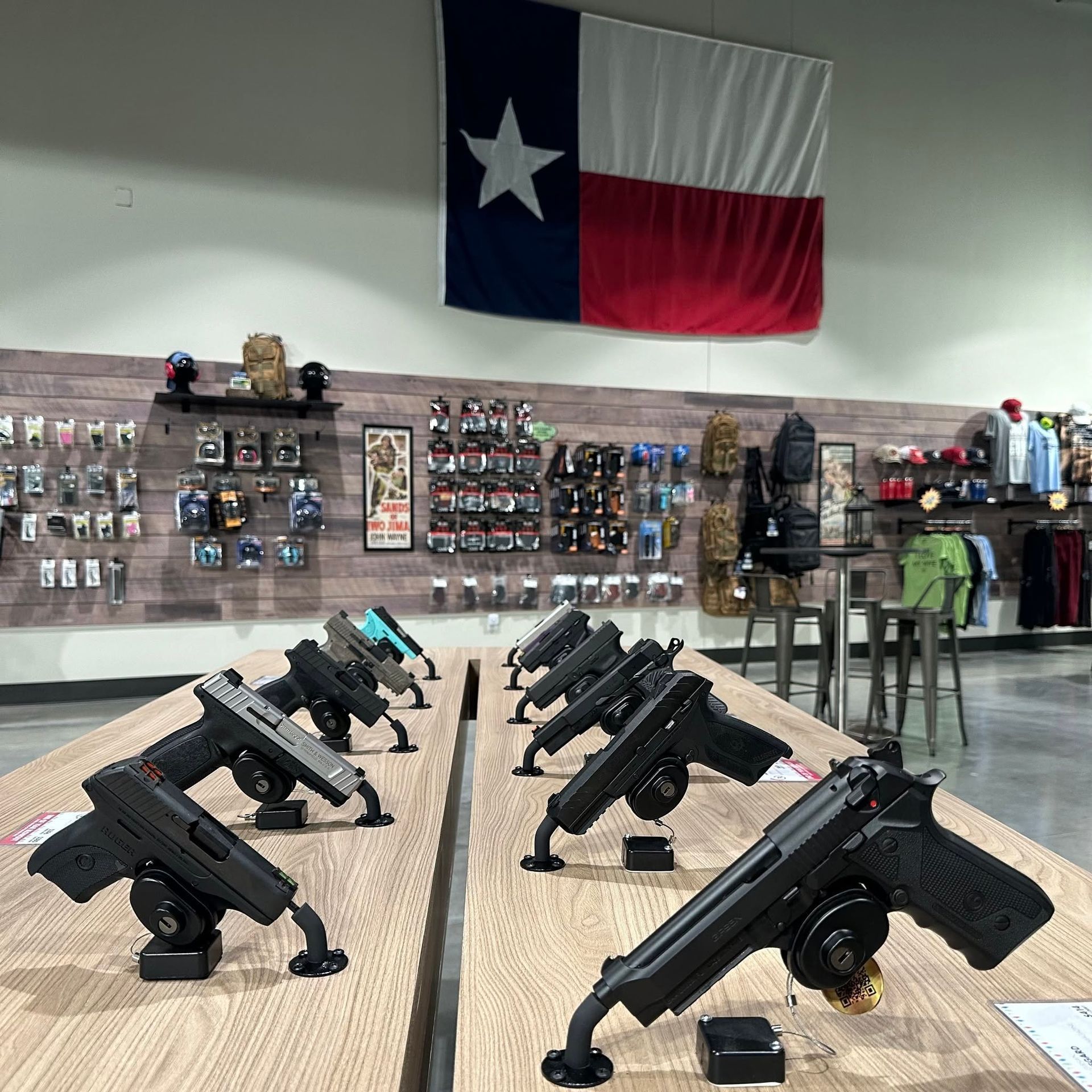
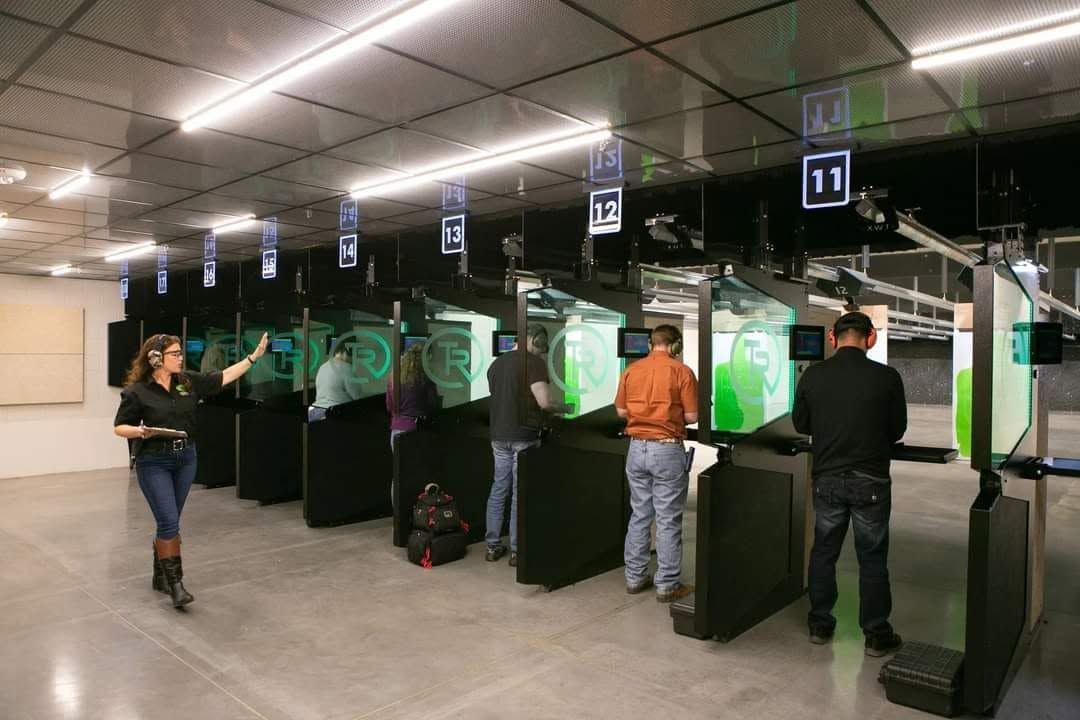
A try-before-you-buy range lets you shoot several calibers and frame sizes in one visit, often for the cost of the rental and ammo, which is pocket change next to the price of a handgun you end up disliking. Our indoor shooting range in McKinney keeps a rental wall stocked with popular models so first-time buyers can compare a 9mm against a .380, or a compact against a full-size, without committing to anything. A good way to run the visit is to shoot the same drill with each gun: five rounds slow fire at seven yards, then note which one kept your shots tightest and felt best by the last round. That apples-to-apples test cuts through marketing and brand loyalty fast. If you want to picture the experience first, plenty of first-time visitors browse range photos online before they come in, and seeing the lanes and rental counter helps take the edge off the nerves.
Bring a buddy, take notes on what felt best, and only then head to the gun shop to buy. You will spend your money once and spend it right.
Safe Storage and Training Next Steps
Once you choose your first handgun, safe storage and training are not optional extras; they are part of responsible ownership. A gun you cannot control or cannot secure is a liability, so build both habits from day one.
For storage, match the solution to your home. If quick access to defense matters, a small bedside lockbox with a fast keypad or biometric lock keeps the gun away from kids and visitors while staying reachable. For guns you are not actively carrying or staging, a larger safe works well. The basic rule holds in every case: store firearms locked, unloaded when practical, and separate from ammunition unless the gun is your dedicated and secured defensive piece. A cable lock often comes in a box and is better than nothing while you shop for something better. If there are children in the home, treat secure storage as non-negotiable and test that your lockbox opens fast in the dark, since a safe you fumble with at 2 a.m. defeats the purpose.
Training is where confidence comes from. A new shooter who takes one good class picks up safe handling, proper grip and stance, sight picture, and trigger control in a structured way instead of building bad habits alone. Texas residents looking to carry will also want to understand state law and the License to Carry process, and a class is the right place to sort that out. Our handgun training courses cover everything from first-timer fundamentals to carry preparation, so you can match a class to where you are right now.
Keep practicing after the class, too. Skills fade without reps. Set a rhythm, even an hour every few weeks, and you will keep the muscle memory sharp. A simple progression works well: start with slow fire on a big target to groove the fundamentals, then add a timer, then back up the distance as your groups tighten. Regular shooters around McKinney often grab a membership once they realize how much range time adds up, since it makes consistent practice easier on the wallet.
Your Next Step Toward a Confident First Purchase
Choosing well is mostly about getting hands-on before you commit. Decide your purpose, test the fit, shoot a few calibers, and lock in safe storage and a class. When you are ready to feel a few options for yourself, come see us at The Range in McKinney and let our staff help you compare rentals so your first handgun is one you actually love to shoot.
Frequently Asked Questions
What is the best caliber for a first handgun?
For most beginners, 9mm offers the best mix of manageable recoil, capacity, and affordable practice ammo, which makes it the common default for defense. A .22 LR is a great companion for cheap, low-recoil practice while you build fundamentals. The best caliber is one you can shoot accurately and comfortably, so test a few before deciding.
Should I buy or rent my first handgun?
Rent first. Renting several models lets you feel real recoil and check fit under actual shooting conditions, which a store counter cannot show you. Many first-time buyers change their minds after firing a few options side by side, and spending a little on rentals saves you from buying a gun you end up disliking.
How do I know if a handgun fits my hand?
Grip the pistol high on the back of the frame and check that the pad of your trigger finger rests on the trigger face. You should reach the magazine release and slide stop without shifting your grip, and the sights should land near the target when you point naturally. Many guns offer swappable backstraps to fine-tune the fit.
Is a bigger, more powerful handgun better for self-defense?
Not for most new shooters. A round you can control puts more accurate shots on target, and accuracy matters more than raw power. Larger calibers like .40 or .45 kick harder and slow your follow-up shots, which can work against you. A 9mm you shoot well usually beats a heavier caliber you struggle with.
How should I store my first handgun safely?
Store firearms locked and away from unauthorized hands. A small biometric or keypad lockbox works for a defensive gun you want to reach quickly, while a larger safe suits guns you are not actively staging. When practical, keep firearms unloaded and separate from ammunition, and use the cable lock from the box until you upgrade.
The Range in McKinney
415 Industrial Blvd., McKinney, TX 75069
Tuesday–Saturday 10 a.m.–7 p.m. | Sunday 12 p.m.–6 p.m. | Closed Mondays